
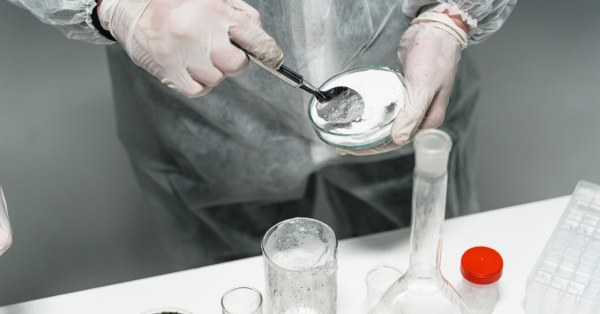
Zinc dust is an important material across many industries. This fine metal powder offers special features for manufacturing processes. Many factories depend on it to improve strength. Understanding zinc dust uses helps industries maximize their product quality and durability.
Zinc Dust Uses in Protective Coatings and Anti-Corrosion Paints
The most significant zinc dust uses involve protective coatings for metal surfaces. Zinc-rich primers shield steel surfaces from serious damage. These layers form a barrier that fights corrosion. Bridges, ships, and pipelines benefit greatly from this protective technology.
Paint-grade zinc dust typically contains 98.5% to 99.5% metallic zinc content. Higher purity levels ensure better corrosion resistance and longer coating lifespan. Manufacturers apply these paints through spraying or brushing methods onto prepared surfaces. The result provides maintenance-free protection for decades in harsh environments.
Cold galvanizing compounds represent another innovative application in protective coatings. These coatings act like hot-dip galvanizing but need no large equipment. Brush-on formulas help repair damaged metal structures easily. Bridges, ships, and pipelines stay strong much longer.
Chemical Processing and Reduction Reactions
Chemical industries rely heavily on zinc dust uses as a reducing agent. Organic synthesis processes employ zinc to reduce nitro groups into amines. The Clemmensen reduction converts ketones and aldehydes into alkanes efficiently. These reactions produce important pharmaceutical intermediates and specialty chemicals.
Zinc dust also serves as a cementation agent in hydrometallurgical processes. Metal extraction operations use it to precipitate gold and silver from cyanide solutions. The Merrill-Crowe process represents a major application in precious metal recovery. Zinc particles act as nucleation sites for efficient gold precipitation from pregnant solutions.
Gold Mining and Precious Metal Recovery
Gold mining around the world relies on zinc dust. The Merrill-Crowe process involves adding zinc dust to deaerated cyanide solutions. Gold and silver then form solid alloys. These heavy particles will sink and can be collected easily.
Some plants use carbon-in-pulp systems during extraction. Fine zinc powder helps gold attach to activated carbon. This improvement increases recovery rates while shortening overall processing times. Modern mines achieve extraction efficiencies exceeding 95% using these methods.
Zinc dust uses by industries, including paint and chemicals. Its strong reactivity makes it highly useful. Affordable pricing also adds to its appeal. New technology will likely have further uses.