
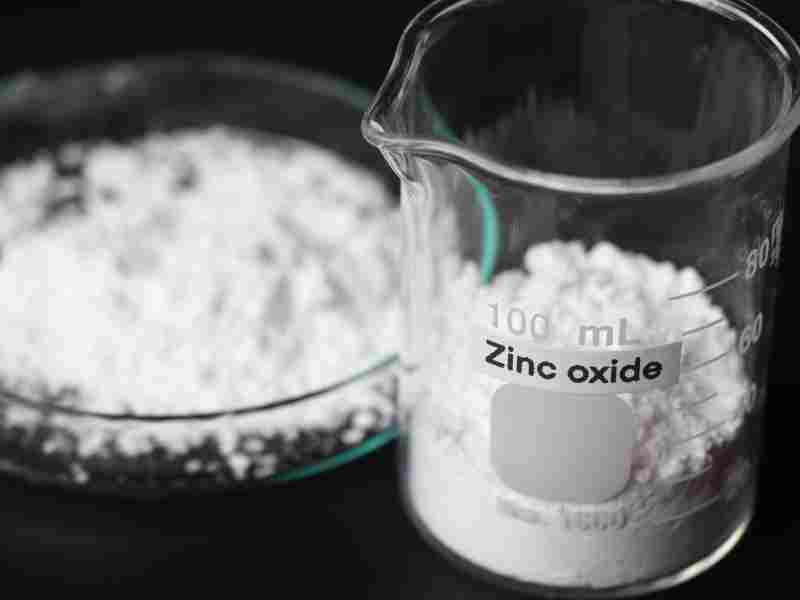
Zinc oxide therapeutic use is a significant topic in modern skin health. This compound, popularly known as zinc oxide, has protective and multifunctional properties. It is widely used in dermatology and skincare due to its high effectiveness.
Understanding Zinc Oxide Therapeutic Use
Zinc oxide is an inorganic compound with the formula ZnO. This compound is produced by heating zinc and oxygen to form a fine powder. These particles act as a physical barrier on the skin’s surface.
The Role of Zinc Oxide in Skin Protection
Zinc oxide is widely used to protect the skin from irritation. This compound forms a barrier layer that reduces friction and excess moisture. This effect is especially important for conditions like diaper rash and dermatitis.
Its anti-inflammatory properties help soothe inflamed skin. Furthermore, the Zn2+ content can suppress the release of histamine and inflammatory cytokines, resulting in more comfortable skin and faster recovery.
Additionally, zinc oxide also has a mild astringent effect. This function helps tighten the skin and reduce redness. Regular use can gradually improve the condition of the skin barrier.
Treatment of Irritation and Wound Healing
Zinc oxide therapeutic use is also effective in healing minor wounds. This compound supports skin cell regeneration in abrasions and minor burns. This accelerates the healing process and reduces the risk of infection.
Furthermore, its antiseptic properties help inhibit bacterial growth. Some bacteria, such as Propionibacterium acnes, can be suppressed. This is also why zinc oxide is often used in anti-acne products.
In cases of eczema, zinc oxide helps reduce itching. The skin becomes calmer and less easily irritated. This effect also makes it an important ingredient in topical therapies.
Function as a Physical Sunscreen Agent
Zinc oxide is widely known as a mineral sunscreen ingredient. This compound works by reflecting UVA (320–400 nm) and UVB (280–320 nm) rays. This protection is called broad-spectrum protection.
Unlike chemical sunscreens, zinc oxide does not absorb UV rays. Its mechanism is also safer because it only reflects radiation. This makes it suitable for sensitive skin.
The usage limit in cosmetics has also been regulated at 25%. This figure ensures safety and effective skin protection. Proper use can also reduce the risk of DNA damage caused by UV rays.
Applications in Dentistry and Other Therapies
Zinc oxide therapeutic use extends beyond the skin. In dentistry, this compound functions as zinc oxide eugenol for temporary fillings. It protects tooth tissue and reduces pain.
Furthermore, its antibacterial properties help treat gingivitis and canker sores. Gum inflammation can be reduced with the use of this ingredient. The soothing effect makes patients feel more comfortable.
Furthermore, zinc oxide is also used for psoriasis. This compound helps reduce inflammation and accelerates the formation of new skin cells. This versatility demonstrates its broad potential in various medical therapies.
Zinc oxide therapeutic use is a versatile solution in the world of medicine and skin care. Its anti-inflammatory, antiseptic, and also protective properties make it a highly effective ingredient. Proper use can provide optimal benefits without excessive risks.